Buyer Guide
What sets the price of a performance horse
Why two horses that look alike on paper can be priced tens of thousands of dollars apart.
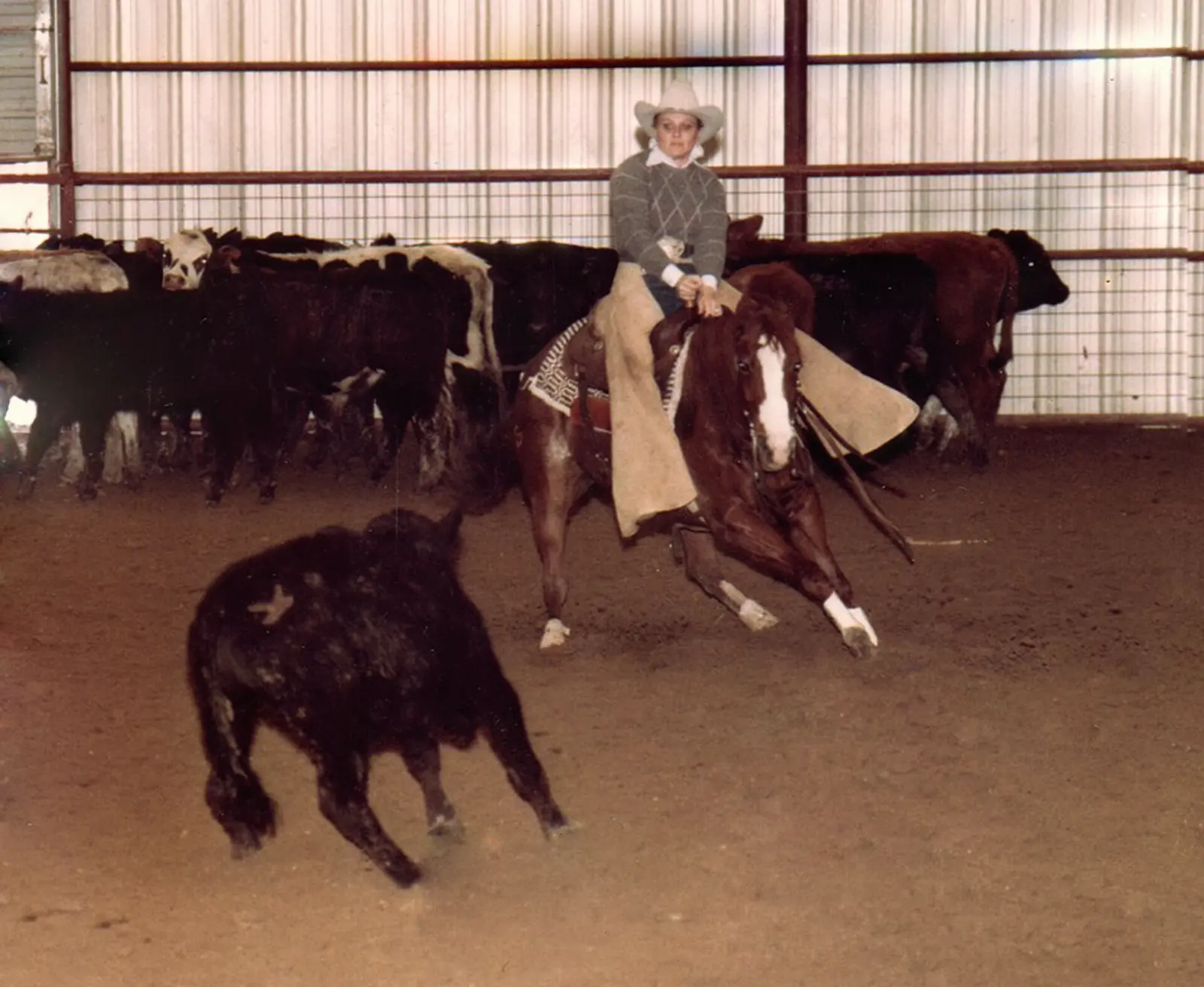
“How much does a cutting horse cost?” has the same answer as “how much does a house cost.” It depends on what you are buying. Every horse on our site starts at $20,000, and the market runs well into six figures for proven open horses. Here is what moves a horse up or down that range.
Stage of training
A horse’s price tends to climb as it moves from started, to finished, to proven in the show pen. Each stage represents months of professional training paid for by someone. A horse that has already done the work you plan to do usually costs more than a prospect, and it also carries less risk.
Earnings and eligibility
In cutting, reining and cow horse, earnings are both a selling point and a limit. A horse with a strong record has shown it can win. The same record can make it ineligible for novice horse or limited classes. A horse that has won enough to prove itself but still fits the classes you want is often priced at a premium for exactly that reason.
Always confirm earnings with the association. The listing tells you what the seller reports. The association’s records tell you what happened.
Who can ride it
Buyers pay more for a horse that wins for amateurs and non-pros, because there are more of those riders than there are professionals. A horse that only goes well for a trainer narrows its market. A horse with a record under a non-pro proves it can carry one.
Soundness and maintenance
Two horses with the same record can sell for very different prices depending on what the vet finds and what it takes to keep them going. A horse with clean x-rays and light maintenance holds its value. A horse with a history of time off or a growing list of treatments usually sells for less, and it should.
Age
Peak prices usually land on horses old enough to be proven and young enough to have years left at the same level. Older horses that are still sound and know their job can be excellent buys for newer riders, often at lower prices than younger horses with the same skills.
Pedigree and sex
Pedigree matters more for young horses, where it stands in for a record the horse has not built yet. It also matters for mares, which may have breeding value after their show careers. Geldings are bought to ride and show, so their price leans more on performance.
Market timing
Prices follow the calendar. Big futurities and sales, such as the NCHA and NRCHA events in Fort Worth, set public reference points every year and can raise asking prices for horses with similar pedigrees and records.
The costs after the sale
Plan for training or tune-ups, board, shoeing, routine vet work, maintenance, entry fees and hauling. In performance disciplines these add up fast, and they cost the same whether the horse was priced at $20,000 or $80,000. That is one reason many buyers stretch for a horse that already does the job.
Getting a fair price
Compare a horse to others with similar age, training, record and soundness, not to the asking prices you see on classified sites. Ask the seller how they set the price. A clear answer, backed by records and video, is a good sign.
Every horse we list must be priced realistically for its age, record and soundness before it goes up. See current horses for sale or tell us your budget.