New to Horses
Buying Your First Horse in Texas
You don't need to grow up on a ranch to own a good horse. Here is how the events work, what a horse costs to keep and how we help first-time buyers find one that is safe and fun to ride.
- Plain EnglishEvery event explained without the jargon
- Safe FirstSeasoned horses for newer riders
- IntroductionsTrainers and barns near you
- $20,000+Horses with a record of doing the job
How we help
We Start With You, Then Find the Horse
Plenty of first-time buyers have the money set aside and very little idea where to start. That is a fine place to be.
The big risk for a new owner is buying the wrong horse: too young, too hot or trained for an event they will never ride. We spend the first conversation making sure that doesn't happen.
- I
A conversation first
We ask what drew you to horses, how much you have ridden, who in your family will ride and how much time you have each week. That tells us more than any form.
- II
The right event
We explain the events in plain English and suggest one or two that fit what you described. Riding on weekends with no plans to show is a fine answer too.
- III
A horse that fits you now
For a newer rider that usually means an older, seasoned horse that has carried amateurs before. We will tell you when a horse is too much for you, even when it is a great horse.
- IV
A trainer and a home for the horse
We introduce you to trainers and boarding barns near where you live, so lessons are lined up and the horse has a stall waiting the day it arrives.
Six ways to ride
Pick the Event That Sounds Like Fun
Each one asks something different of you and the horse. You can always change your mind later.
Read the full comparison-
Work cattle
Cutting horses
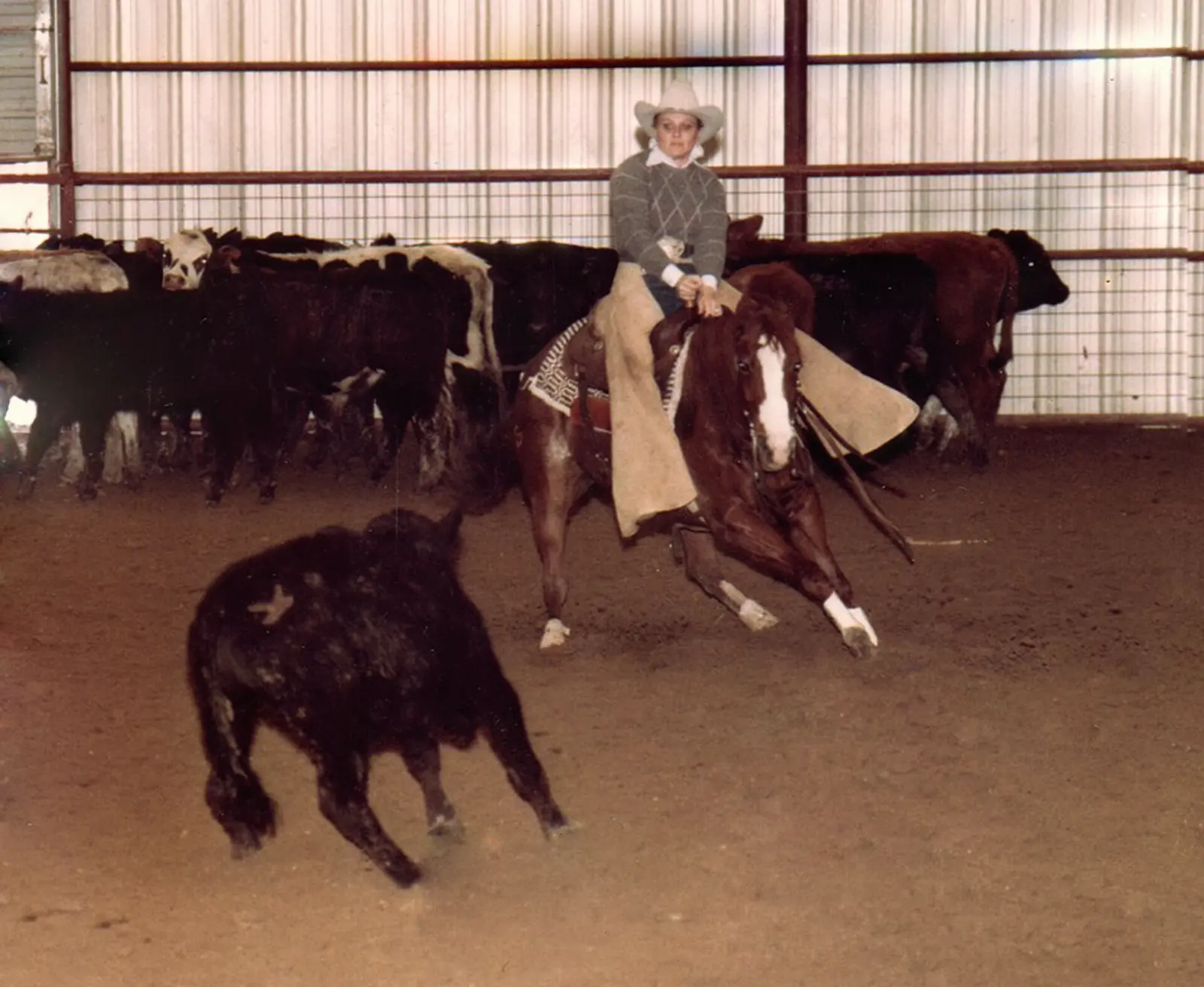
You ride quietly into a herd, bring one cow out and then put your rein hand down. From there the horse does the work, darting and stopping to keep the cow from rejoining the herd. A run lasts two and a half minutes. Judges score it from 60 to 80, and 70 is average.
A good first horse: An older horse with a quiet mind and a record of carrying non-pros or amateurs. Young, hot futurity horses are for professionals.
See cutting horses -
Ride a pattern
Reining horses
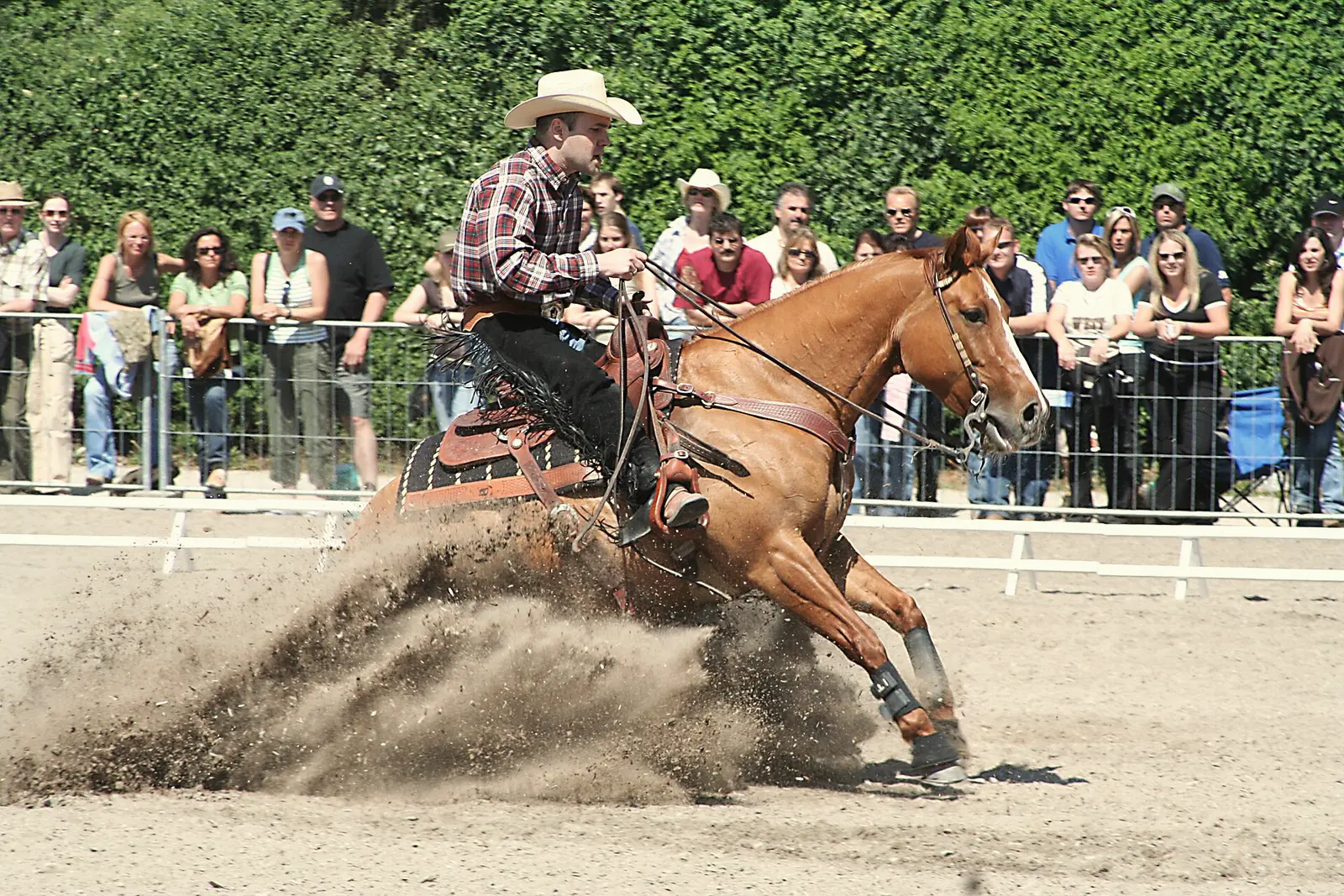
Reining is a set pattern of large fast circles, small slow circles, spins, lead changes and long sliding stops. You ride it from memory, one horse at a time, and judges score how smooth, quick and willing the horse is. There are no cattle and no clock.
A good first horse: A seasoned horse that has carried a non-pro through a pattern many times and stays calm in a busy warm-up pen.
See reining horses -
Cattle and a pattern
Cow horses
Reined cow horse combines three tests: cutting a cow from a herd, riding a reining pattern, and controlling a single cow at one end of the arena before running it down the fence and turning it. It asks the most of horse and rider of any event here.
A good first horse: A broke, honest horse that has already shown in limited or entry classes. Experience costs more in this event, and it is worth paying for.
See cow horses -
Ranch riding
Ranch horses
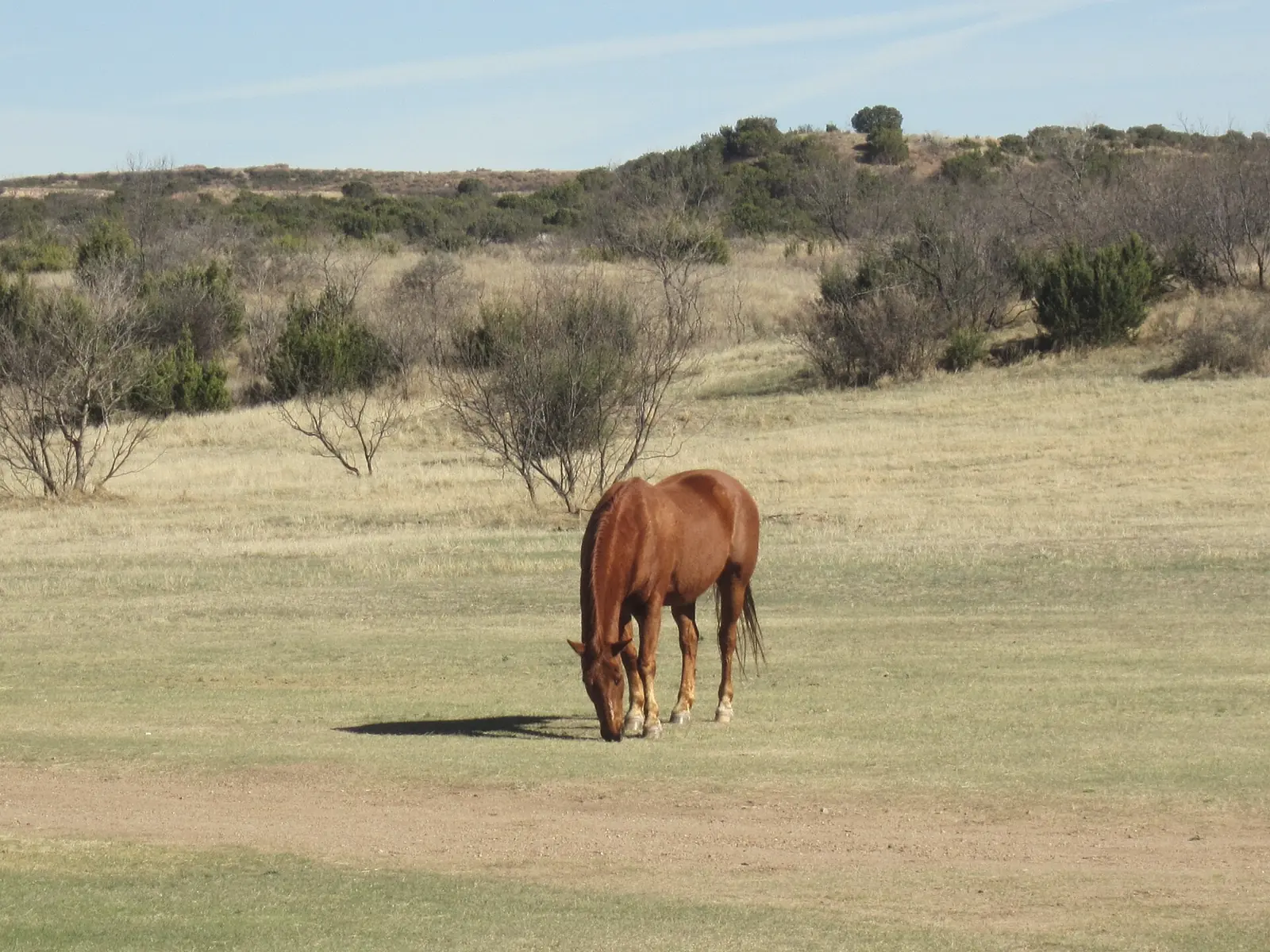
Ranch classes test what a good ranch horse does every day: a relaxed walk, trot and lope, a smooth pattern, and in some classes working a cow or dragging a log. Judges reward a horse that is broke, quiet and easy to ride.
A good first horse: A sound, broke gelding in his teens that has done a bit of everything. These are often the safest first horses on the market.
See ranch horses -
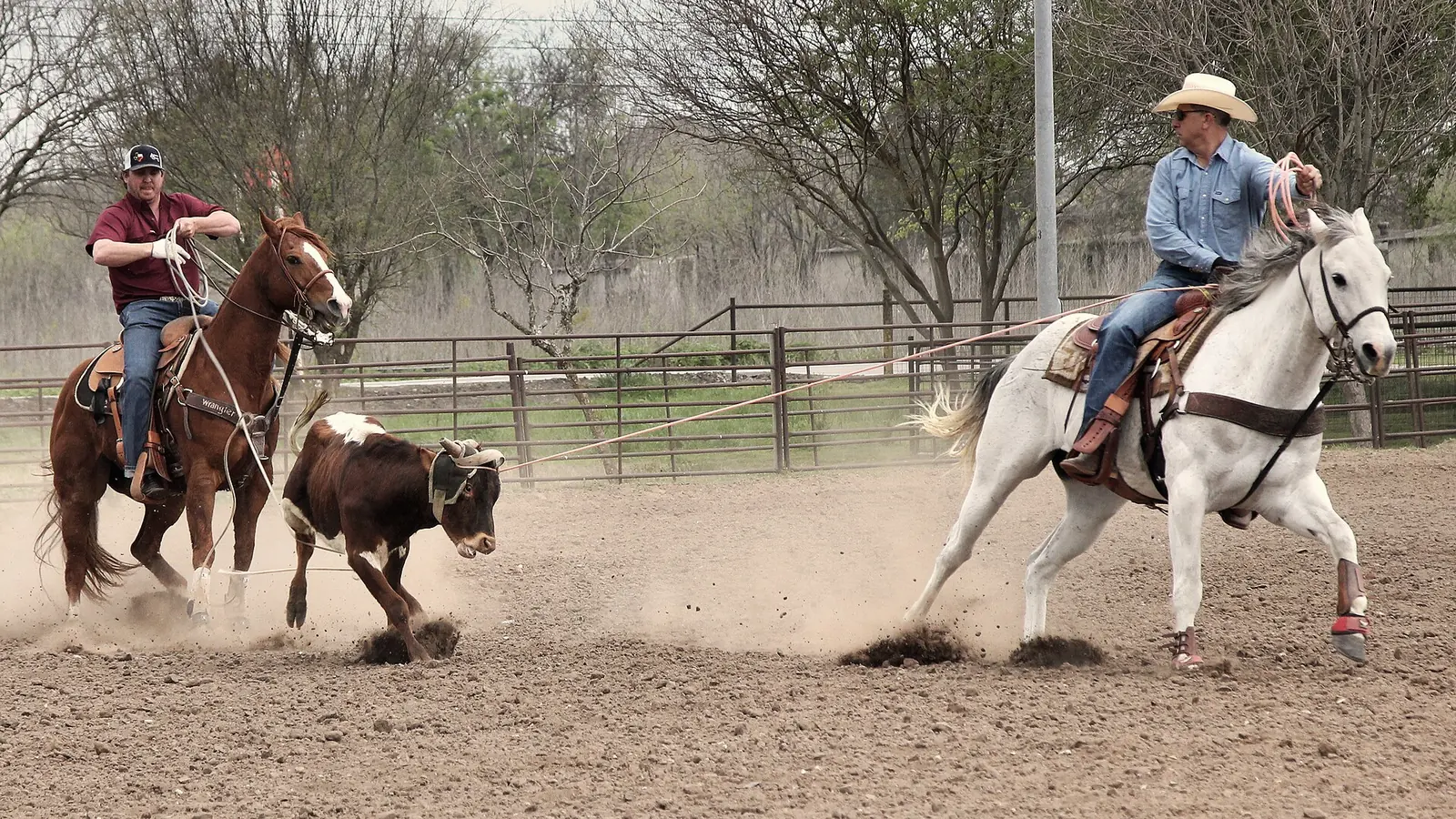
Rope with friends
Rope horses
In team roping, the header ropes a steer's horns and the heeler ropes its hind feet, and the fastest clean time wins. It is the only rodeo event where men and women compete together in professional rodeo.
A good first horse: A seasoned head or heel horse that stands quietly in the box and keeps doing its job when the rider makes mistakes.
See rope horses -
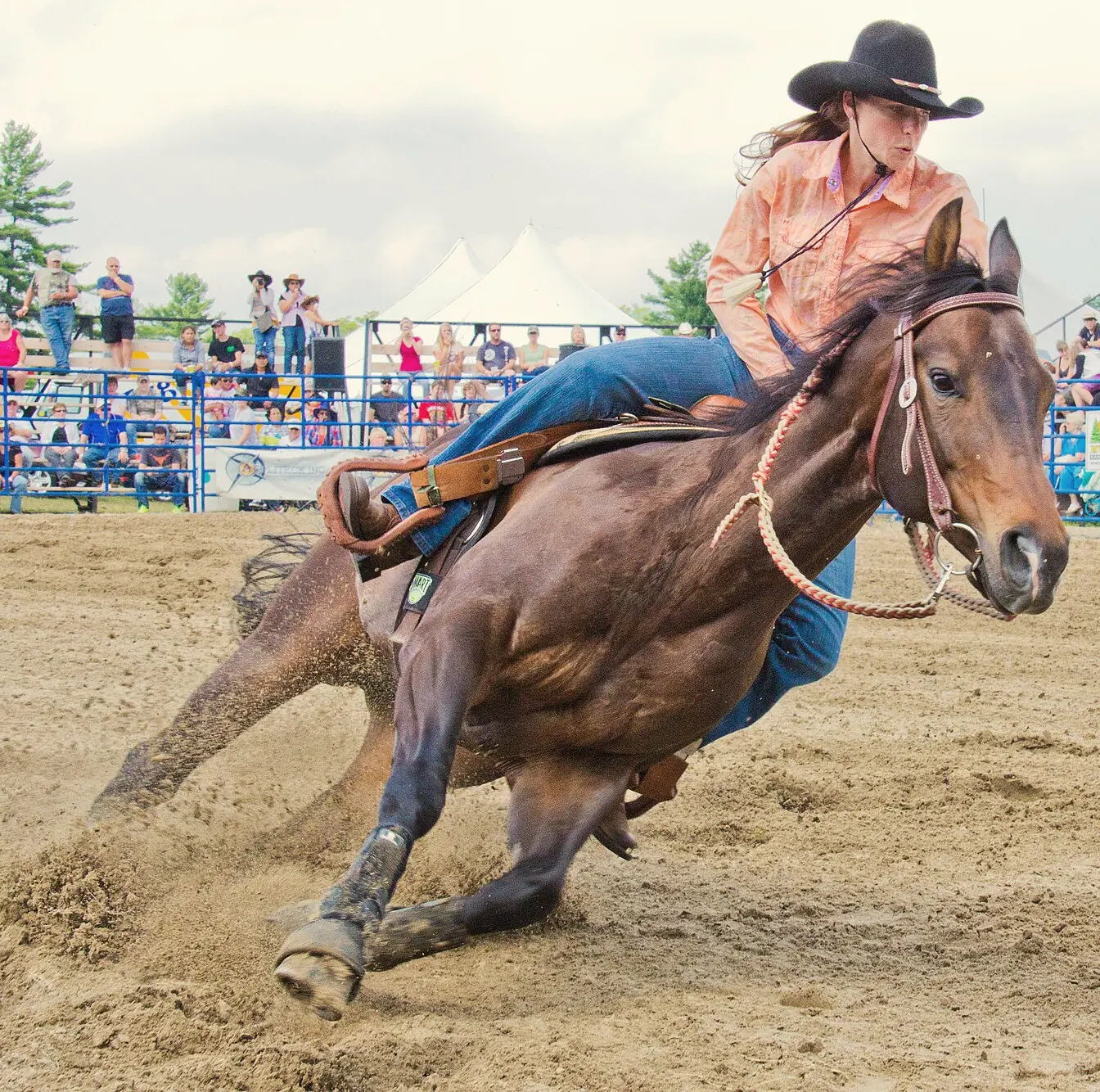
Go fast
Barrel horses
Barrel racing is a timed run around three barrels in a cloverleaf pattern. The fastest time wins, and knocking a barrel over adds a five-second penalty.
A good first horse: A proven horse that runs the pattern the same way every time. A fast, hot horse is a common way for a new barrel racer to get hurt.
See barrel horses
What it costs
The Price of the Horse Is the Start
Budget for the horse and for keeping it. The second number surprises most new owners.
In a 2023 CareCredit survey of 1,231 U.S. horse owners, the yearly cost of keeping a competition horse averaged about $26,000 before shows. Add entry fees, hauling and other show costs and it came to $36,851. A horse ridden for fun averaged $11,800 a year, or $16,460 with events.
Prices in North Texas depend on the barn and how much training you want. Ask every barn what its monthly rate includes before you sign.
| Expense | Competition horse | Ridden for fun |
|---|---|---|
| Board | $9,324 | $6,311 |
| Training and lessons | $6,747 | $3,620 |
| Farrier (hoof care and shoes) | $1,710 | $1,196 |
| Routine vet: exam, vaccines, teeth | $974 | $722 |
| Yearly total before shows | $26,000 | $11,800 |
| With shows and events | $36,851 | $16,460 |
Source: CareCredit Equine Lifetime of Care Study, 2023, as reported by The Horse. Line items do not add up to the totals, since not every owner pays every item.
Words you will hear
A Short Glossary
Sellers and trainers use these terms all the time. Now you will know what they mean.
- Broke
- Trained to carry a rider and answer cues. A well-broke horse is easy to steer, stop and control.
- Finished
- Fully trained for its event and ready to show.
- Prospect
- A young horse with talent that still needs a professional to train it. Not a first horse.
- Open
- Classes for professional trainers. An open horse is one a pro has been showing.
- Non-pro and amateur
- Riders who do not train horses for pay. Most adult buyers show in these classes.
- Futurity
- A big-money show for young horses, usually three-year-olds, ridden mostly by professionals.
- Earnings
- Prize money a horse has won in its event, tracked by the association that runs the shows.
- Board
- The monthly fee for keeping a horse at someone else's barn. Full board covers a stall, feed and daily care.
- Full training
- A monthly rate for a trainer to ride your horse several days a week. It usually includes board.
- Pre-purchase exam
- An exam by a veterinarian you hire, done before you pay, to check the horse for problems.
- Coggins
- A blood test for equine infectious anemia. Texas requires a negative test from the past 12 months when a horse changes owners.
- Bill of sale
- The written sales contract. It names the horse, the price and the terms you and the seller agreed on.
Am I too old to start?
No. The National Cutting Horse Association says its members range from under 10 to over 80 years old, and the other Western events look much the same.
Do I have to show?
No. Plenty of owners ride for fun, take lessons and never enter a show. A trained performance horse is still a better ride than an untrained one.
Why are your horses $20,000 and up?
A horse that has been trained and shown for years has had that time and money put into it already. For a new rider, that experience is what makes a horse safe and fun. Cheaper horses are often young or green, and those are better left to professionals.
Should I buy a young horse and learn together?
We advise against it for a first horse. A young horse is still learning too, and it needs a professional to bring it along. An older horse can teach you while you learn.
Do I need land or a barn?
No. Most owners board their horse at a trainer's barn or a boarding stable. The horse gets daily care, and you get a place to ride and someone to ride with.
What else will I need to buy?
A saddle and tack that fit you and the horse, riding boots, and a membership in the association for your event if you plan to show. Your trainer can help you shop.
What does it cost to ask for help?
Nothing. Sending a request is free and does not commit you to anything.
Find a Horse
Let's Start With a Conversation
Tell us a little about you. We will call, ask a few questions and suggest where to start.
- Free, and no obligation to buy
- Everything explained in plain English
- Trainer and barn introductions near you
Selling a horse?
We list Western performance and ranch horses priced at $20,000 and up.
Help Me Choose
Two quick steps. About two minutes.
Got it. Your request is in.
We will review what you sent and reach out when we have horses that fit.
Keep browsing horses