Buyer Guide
How much does a horse cost?
The purchase price, the yearly bill, and the costs first-time owners forget to budget for.
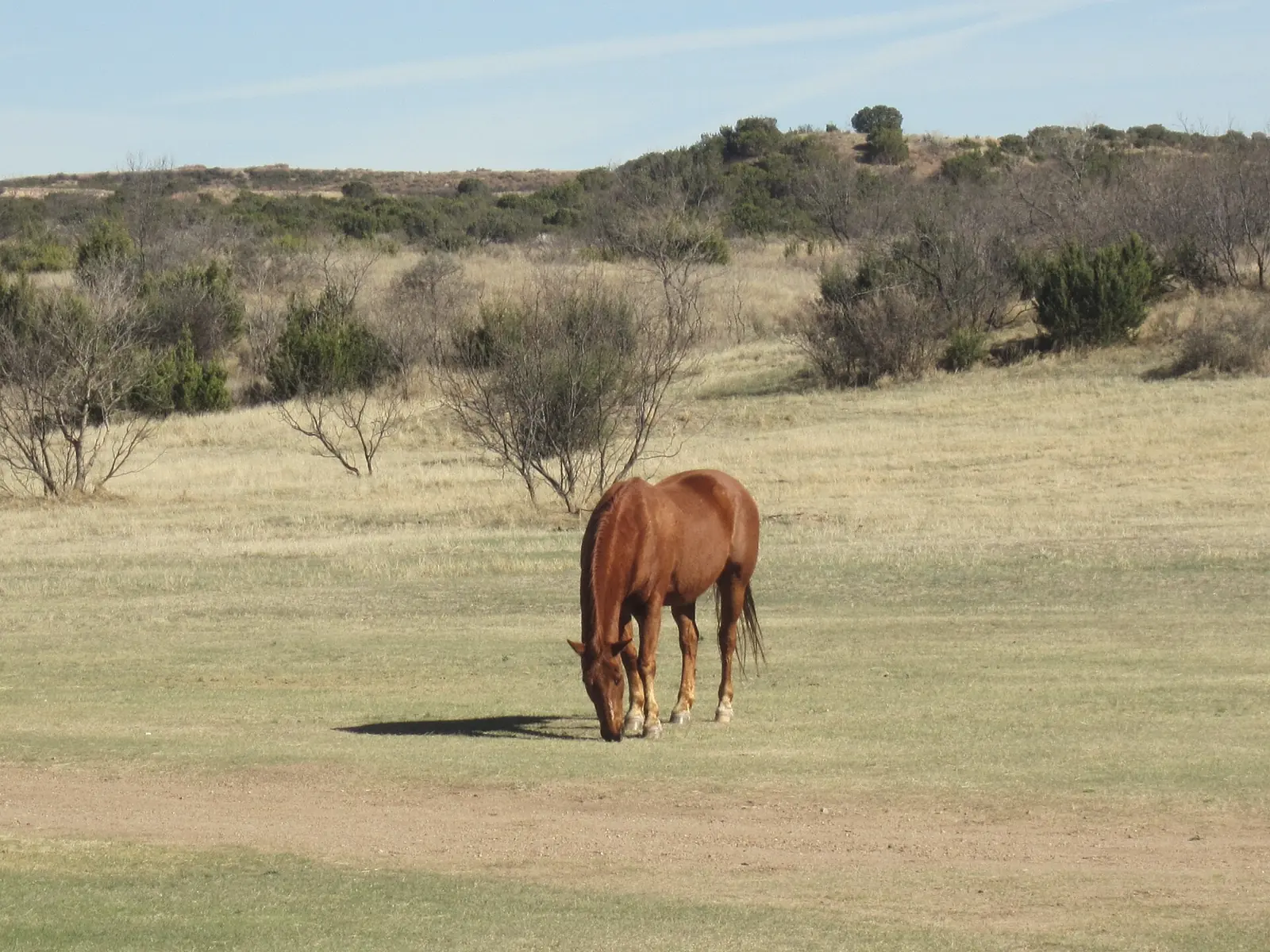
A horse has two prices: what you pay the seller, and what you pay every year after that. First-time buyers tend to plan for the first one and get surprised by the second. Within a few years, upkeep usually costs more than the horse did.
What a horse costs to buy
A horse with little training can sell for a few thousand dollars or less. A trained horse with a show record costs far more, and the best performance horses sell for six figures. The gap comes down to training. Every month a professional spends riding a horse goes into its price.
Every horse on this site is priced at $20,000 or more. At that level you are paying for years of training and a record that shows the horse can do its job. For a new rider, that is money well spent. A seasoned horse forgives mistakes that a cheap young horse will not. Our guide to what sets the price of a performance horse explains why two horses that look alike can be priced far apart.
What a horse costs to keep
The most useful recent numbers come from the CareCredit Equine Lifetime of Care Study, a 2023 survey of 1,231 U.S. horse owners. It split horses into three groups and found these average yearly costs:
| Type of horse | Before shows | With shows and events |
|---|---|---|
| Competition horse | $26,000 | $36,851 |
| Ridden for fun | $11,800 | $16,460 |
| Backyard or retired | $8,600 | $11,538 |
If you are buying a cutting, reining or other performance horse and plan to show, the competition row is your starting point. If you plan to ride on weekends and skip the shows, the middle row is closer.
Where the money goes
The same survey broke the bill into line items. The figures below are averages among owners who paid for each item, so they do not add up to the totals above.
| Expense | Competition horse | Ridden for fun |
|---|---|---|
| Board | $9,324 | $6,311 |
| Training and lessons | $6,747 | $3,620 |
| Farrier | $1,710 | $1,196 |
| Routine vet: exam, vaccines, teeth | $974 | $722 |
Board
Board is what you pay a barn to keep your horse. Full board usually covers a stall, feed and daily care. Pasture board costs less and gives the horse less individual attention. Most performance horse owners board at or near their trainer’s barn, so the horse is close to where it gets ridden.
Training and lessons
A performance horse needs regular riding by someone who knows the event, or it slowly loses its edge. Trainers usually charge a monthly rate for full training, and that rate often includes board. Lessons for you are sometimes included and sometimes billed separately. Ask before you sign.
Farrier
A farrier trims and shoes the horse’s hooves, usually every six to eight weeks. Performance horses often need corrective or specialty shoeing, which costs more than a plain trim.
Vet bills
Routine care covers a yearly exam, vaccines and dental work. Emergencies are the part nobody can predict. Two-thirds of the owners in the CareCredit survey paid for emergency vet care in the past year. Keep a fund set aside, or look at major medical insurance for the horse.
Showing
Show costs are where competition budgets grow. Expect entry fees, a stall at the show, hauling, and day fees for your trainer while they are at the show with you. The survey’s gap between everyday costs and costs with events, about $10,850 a year for a competition horse, gives you a rough idea.
First-year costs people forget
Some costs come up once, right around the purchase:
- A pre-purchase exam by your own vet, plus x-rays if the vet recommends them
- A saddle, bridle, pads and other tack that fit you and the horse
- Hauling the horse to its new barn
- A Coggins test, which Texas requires when a horse changes owners (see our Texas paperwork guide)
- A membership in the association for your event, if you plan to show
- Insurance, if you want it in place before the horse travels
Over a lifetime
Horses live a long time. The CareCredit study estimated the cost over a 25-year life at $215,000 to $575,000, and found that owners underestimate their horse costs by as much as 363%. Most buyers of a performance horse will not own it for 25 years, but the yearly numbers are worth taking seriously.
How to keep the bill predictable
- Ask every barn for its monthly rate in writing, and what it covers.
- Get your trainer’s full fee schedule before the horse arrives: training, lessons, show day fees and hauling.
- Set aside money for emergency vet care, or price out insurance.
- Buy a sound horse. A clean pre-purchase exam is the cheapest insurance there is. Our pre-purchase exam guide covers what to ask for.
Get real numbers before you buy
Board and training rates in North Texas vary from barn to barn. When you work with us, we can introduce you to trainers and barns near where you live, so you have real quotes before you commit to a horse. If you are new to all of this, start with our page on buying your first horse, or tell us what you want and we will call.
Sources: The Horse, “How Much Does It Cost to Own a Horse?”, reporting the CareCredit Equine Lifetime of Care Study (2023); My New Horse, Equus, on the same study’s lifetime estimate and emergency vet findings.