Buyer Guide
What is a cutting horse?
How the sport works, how it is judged, and how people with no cattle background get into it.
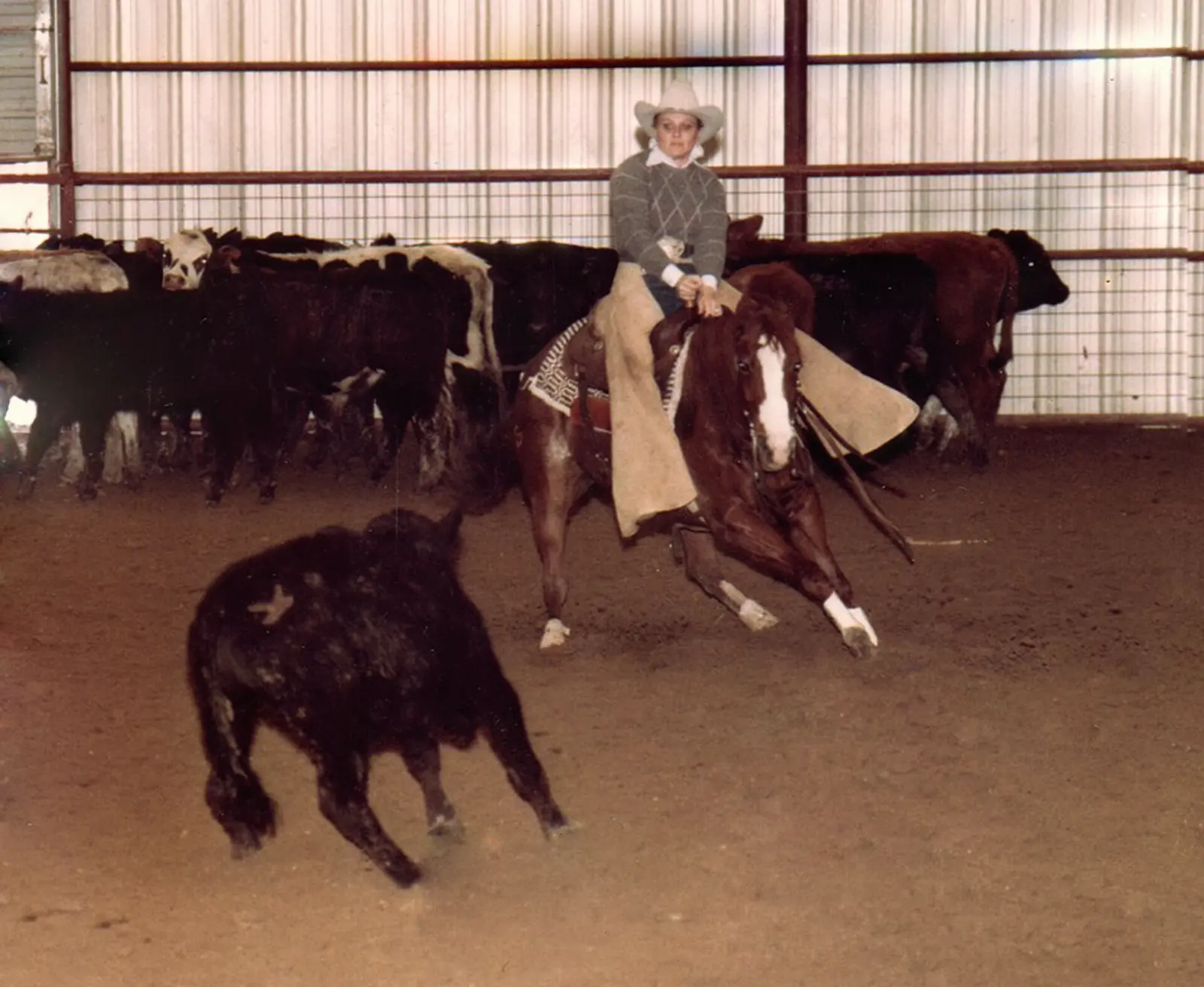
A cutting horse is trained to separate one cow from a herd and keep it from getting back. Once the cow is out, the rider puts the reins down and sits still. The horse reads the cow and moves with it, stopping, turning and darting low across the arena on its own. Few sports hand that much of the job to the horse.
Where cutting came from
Cutting started as ranch work. Cowboys had to pull single animals out of a herd for branding, doctoring or sale, and a horse that could do it with little help from the rider was worth a lot. Ranchers started holding contests to see whose horse was best. The National Cutting Horse Association (NCHA) formed in 1946 to set rules for those contests, and it is still based in Fort Worth.
How a run works
Each horse and rider get two and a half minutes in the arena. The rider walks quietly into the herd, eases a few cattle out, and settles on one cow. Most riders cut two or three cows in a run, and at least one has to come from deep in the herd.
Once the cow is separated, the rider lowers the rein hand. From then on the horse does the work, staying between the cow and the herd. Four helpers on horseback, two turnback riders and two herd holders, keep the cattle in play.
Judges start every run at 70 and add or subtract points for what happens. They give credit for a hard cow held well, a deep cut and a horse that works with style. They take points off when the horse loses the cow, when the rider steers with the reins, or when the rider fails to separate a single cow cleanly. Most scores land between 60 and 80.
What makes a good cutting horse
People in the sport call it “cow sense”: a horse that watches the cow and wants to stop it. A good cutter is quick, stops hard, stays low and does not get rattled. Most are American Quarter Horses bred from cutting bloodlines, and a finished horse has had years of training from a professional.
Why North Texas is the center of the sport
The NCHA’s three biggest events, the World Championship Futurity, the Super Stakes and the Summer Spectacular, all run in Fort Worth. Together they make up the NCHA Triple Crown.
Weatherford, about 30 miles west, has called itself the Cutting Horse Capital of the World since the late 1980s. Its chamber of commerce credits the area’s large number of trainers, riders and breeders, and the soft sandy loam soil that is easy on horses’ legs. The chamber puts the cutting industry’s yearly economic impact on Parker County at more than $50 million.
That means if you want to learn to cut, you can find trainers, practice cattle and weekend shows within an hour of Dallas or Fort Worth.
How new riders start
You do not need a ranch background. The NCHA says its members range from under 10 to over 80 years old, and its weekend shows split classes by experience so beginners compete against beginners.
The entry-level class is the Limit Rider class, for people who have won little or no money in cutting. Starting with the 2026 point year, the NCHA raised its limit from $2,000 in lifetime earnings to $4,000. It is also one of the classes where an adult can show a horse they do not own, which lets new riders show on a trainer’s horse before they buy.
Most people start with lessons. A trainer puts you on a seasoned horse and teaches you to sit quietly, choose a cow and stay out of the horse’s way. When your trainer thinks you are ready, a weekend show is the next step.
What a cutting horse costs
Every cutting horse on this site is priced at $20,000 or more. Price depends on the horse’s age, earnings, soundness and which classes it can still enter. For a new rider, the best buy is usually an older horse with a quiet mind and a record of carrying non-pros or amateurs. Young futurity horses are fast and sensitive, and they are best left to professionals.
Our guide to what sets the price of a performance horse goes into more detail, and you can see current listings on our cutting horses for sale page.
Words you will hear
- Futurity: a big-money event for three-year-old horses, ridden mostly by professionals.
- Open: classes for professional trainers.
- Non-pro and amateur: riders who do not train horses for pay.
- Turnback help: the riders who push the cow back toward the cutting horse.
- Earnings: prize money the horse or rider has won, tracked by the NCHA.
If cutting sounds like your event but you are not sure where to start, tell us about yourself. We can help you find lessons and the right first horse. Still deciding between events? Read which Western event fits you.
Sources: NCHA judging; NCHA shows; NCHA 2026 weekend class thresholds; Weatherford Chamber of Commerce.